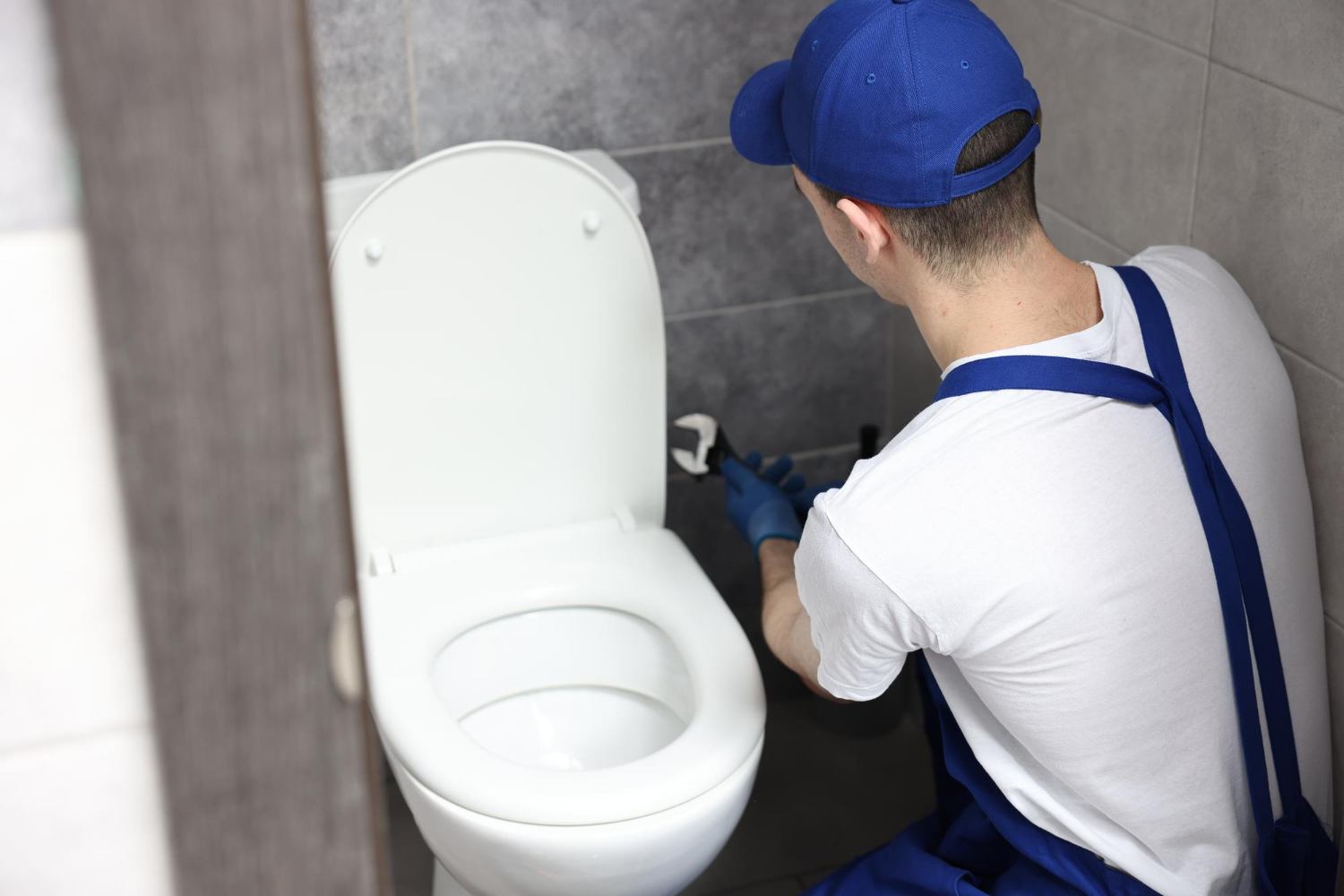
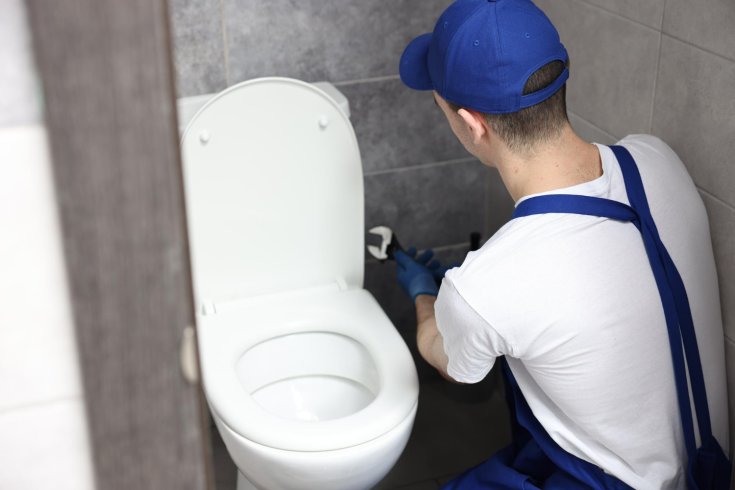
Modern toilets are designed to accomplish the same basic task with considerably less water. Many newer models use around 1.28 gallons per flush or less, depending on the specific design. Using less water can reduce household consumption and may help lower water bills over time. If your toilet is over 20 to 25 years old, it’s probably one of those inefficient models that use more water than necessary. It’s time to call a nearby plumbing company for toilet replacement and conserve water.
Flushing Performance
Older toilets can develop weak flushing performance as components wear out or as mineral deposits accumulate inside the tank and bowl. Some older designs may also require multiple flushes to clear the bowl effectively. If this is a problem you’re currently dealing with, it’s a good idea to consult with a professional plumbing service for replacement options.
Modern toilets use improved bowl designs, trapways, and flushing mechanisms to provide stronger and more efficient performance while using less water. However, flushing power varies between models. A low-water-use toilet is not automatically better simply because it uses less water, so homeowners should consider both efficiency and performance when choosing a replacement.
Maintenance and Components
Older toilets may contain aging parts that eventually need replacement. Flappers, fill valves, handles, and other internal components can wear down, causing running water, weak flushing, or leaks around the tank. A toilet with aging components is not just unreliable; it can also expose your bathroom to water damage. In addition, it can put a dent in your wallet through repeated repair bills. We recommend calling in a professional plumbing service to help you upgrade your toilet if the fixture is worn out.
Modern toilets also require maintenance, but replacement components are often readily available. Some newer models use updated mechanisms that can improve reliability and make certain repairs easier. Regular inspection can help identify worn parts before they cause unnecessary water waste.
Comfort and Design
Toilet design has also evolved. Many modern models are available in different heights, shapes, and styles to accommodate different preferences. Comfort-height toilets, for example, can make sitting down and standing up easier for many users.
Modern toilets can also provide a cleaner appearance, with streamlined designs that fit contemporary bathrooms. Homeowners remodeling a bathroom may have more options for matching the toilet with other fixtures and the overall style of the room.
Features and Technology
Some modern toilets go beyond basic flushing. Depending on the model, homeowners can find features such as dual-flush systems, soft-close seats, touchless flushing, heated seats, bidet functions, and self-cleaning features.
These additions are not necessary for every household, but they can provide additional convenience and comfort. Smart toilet models can offer even more technology, although they typically cost more and may require additional maintenance.
When the Toilet Has Reached Its Final Flush
Toilets are built to last for decades but won’t last forever. When leaks become a common thing, comfort takes a hit, and flushing becomes unreliable, it’s time to consider retiring your older toilet. A new toilet provides better performance, saves water, and enhances your bathroom’s aesthetics. Choosing toilet replacement when you have an outdated unit is a smart move—one that saves you money, delivers peace of mind, and pays off when it comes to comfort. Get in touch with a local plumber in Crestline, CA when it’s time to replace your toilet.
Schedule Toilet Replacement Today
If you still have an older toilet that uses 3.5 to 7 gallons per flush, it’s time to switch to a high-efficiency unit. Installing a high-efficiency toilet not only cuts down your water usage to 1.28 gallons or less per flush but also comes with advanced flushing power. When it’s time for toilet replacement, call the expert plumbers at Mr. Rooter Plumbing. Our experienced plumbers have been installing and repairing all types of toilets for years, so you can rest assured that the work is in professional hands. We promise to get the job done right and stand behind our work. Call us today to request a free quote for toilet replacement.