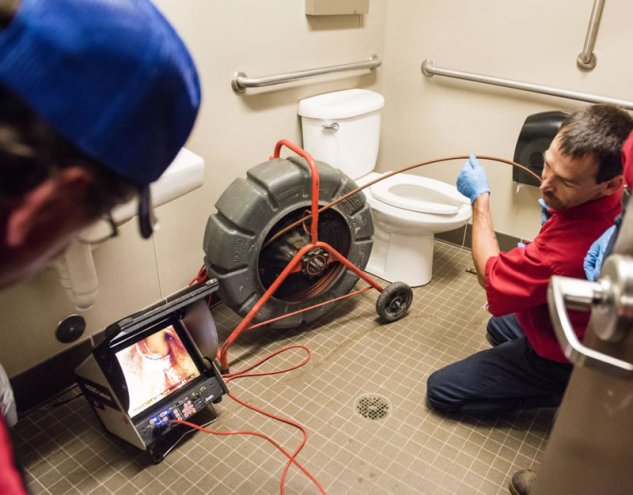
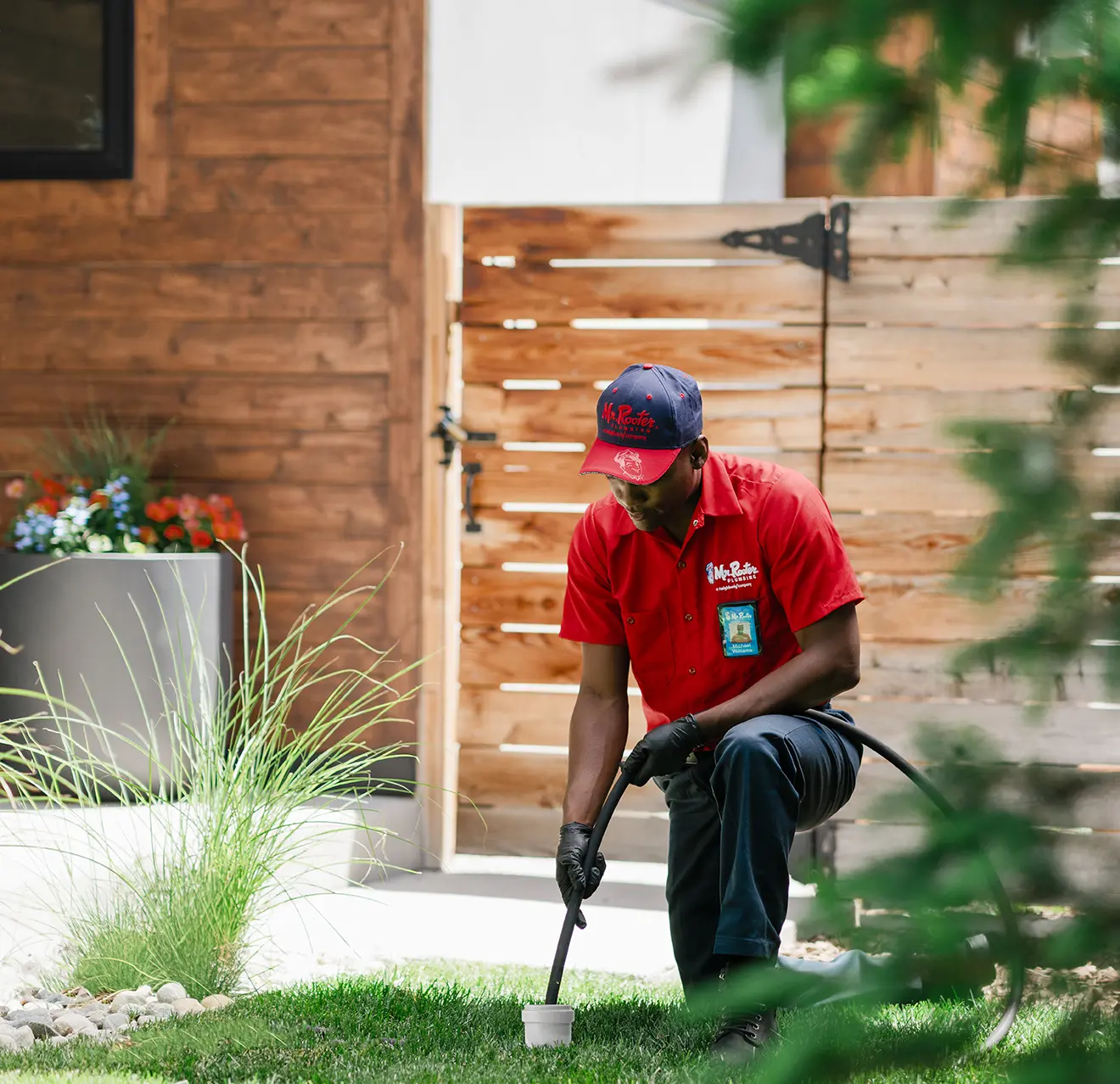
Septic professionals visit your property to do a thorough examination of your septic system to ensure everything is functioning correctly and efficiently. It is normal for a homeowner to be confused about what they should expect during their visit. So, in this section, we will go over what a septic inspection includes, the process of septic cleaning and pumping, and what homeowners should do after the visit. If you want to learn more, call Mr. Rooter Plumbing today.
What Does a Septic Inspection Include?
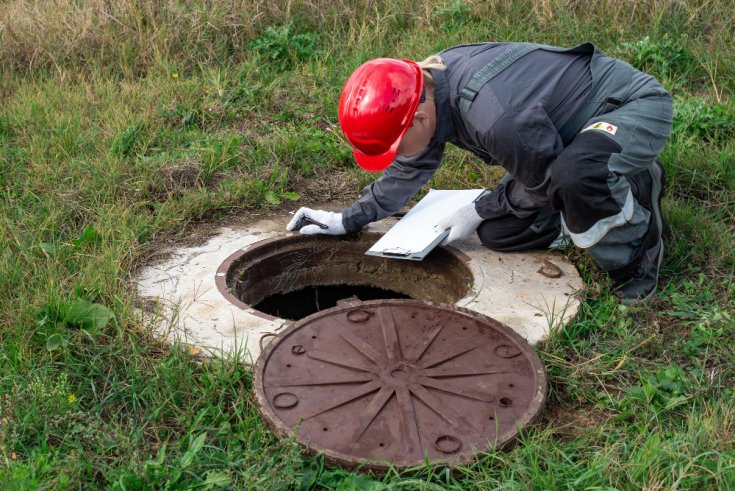
Septic systems are used to treat wastewater in areas where a property can’t be connected to a public sewer system. So, it is vital for this system to be working efficiently and function properly for the safety of its environment. During a septic inspection process, there are some key aspects that most homeowners should be aware of:
- Checking for Leaks: The first thing professionals do when they pay a visit is to check the tank and pipes for any sign of leakage. If during this stage any problem goes unnoticed, it can cause major problems with the system in the future.
- Assess the Condition of the Pipes: Once the tank has been thoroughly examined for any signs of leaks, the professionals will then evaluate the condition of the pipes for any signs of damage or blockages.
- Measuring the Tank’s Liquid Level: The liquid levels also have to be checked to see whether they reach a specific height to ensure proper functioning. If the professional decides it isn’t within the normal range, then they would have to intervene.
- Evaluating the Overall Health of the System: Lastly, the inspector evaluates the overall performance of the system. Many factors have to be taken into consideration, including but not limited to the age of the system, whether it had any previous repairs, and its maintenance history.
The Process of Pumping and Cleaning a Septic Tank
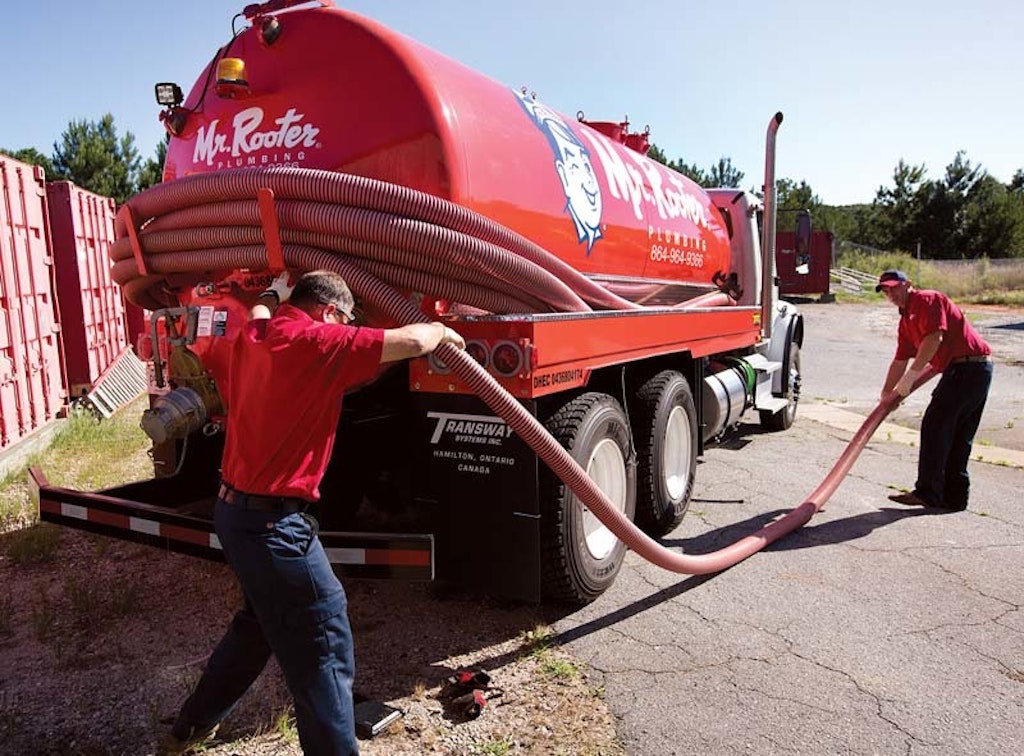
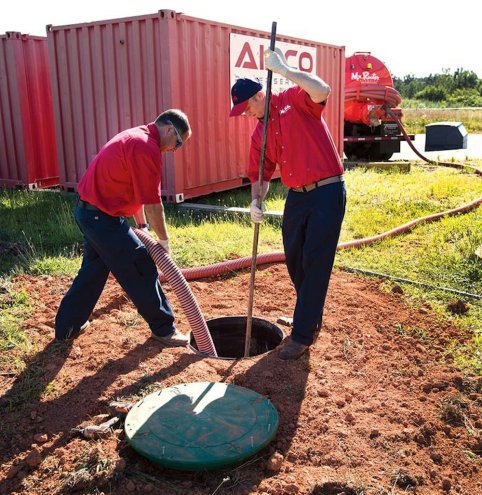
Once the overall condition of the system is checked, the technicians then have to decide whether there is anything that requires their intervention. In some cases, they recommend that the homeowner empty the tank, as it will increase its efficiency and prolong the lifespan of the system. If both parties agree, the process of septic pumping in Mentone, CA begins. A large vacuum that connects to your septic tank removes any accumulated scum and wastewater that has been sitting around in your tank. All this process takes about thirty minutes. Once the tank is pumped, the interior is rinsed and cleaned to check the condition of the walls and baffles. If there are any stubborn buildups or there is a need for a deeper cleaning of the septic tank, septic cleaning can be performed.


.webp)