Why Are Grease Traps Important?
Grease traps are essential for keeping your plumbing system healthy. Without one, grease and oil can build up inside your pipes, causing clogs that are hard to remove. While calling a professional for a plumbing service is always an option, preventing the problem in the first place is usually better—and much cheaper.
In commercial kitchens, grease traps are even more critical. Restaurants produce a lot of grease; the buildup can lead to major plumbing issues without a proper system to handle it. Regular maintenance of grease traps can prevent these issues and help avoid emergency plumbing calls, which can disrupt business operations and cost a lot of money.
How Do Grease Traps Work?
The process is pretty simple. The grease trap slows the flow when water and grease flow down the drain. Since grease is lighter than water, it floats to the top and gets trapped while the water continues to flow into the sewage system. Over time, the grease trap fills up and must be cleaned to keep working correctly.
If a grease trap isn’t cleaned regularly, it can become overwhelmed and stop functioning. This can lead to clogs and backups in the plumbing system. That’s when you might need to call a plumber in Apple Valley, CA for an emergency plumbing fix.
Signs Your Grease Trap Needs Attention
Not sure if your grease trap is working properly? Here are some signs it might need cleaning or repair:
- Slow Drains
If water takes longer than usual to go down the sink, it could mean your grease trap is full or clogged. - Bad Smells
A full grease trap can produce unpleasant odors that waft back up through the sink. - Frequent Backups
If your sink or drains are backing up, it’s a sign that something is blocking the pipes—often grease buildup. - Unusual Noises
Gurgling or bubbling sounds from your drain might indicate a grease trap problem.
If you notice any of these issues, contacting a plumbing service immediately is a good idea. Ignoring the problem can lead to more significant, costlier issues requiring emergency plumbing repairs.
Maintaining Your Grease Trap
Proper maintenance is key to keeping your grease trap and plumbing system in good shape. Here are some tips:
- Clean Regularly
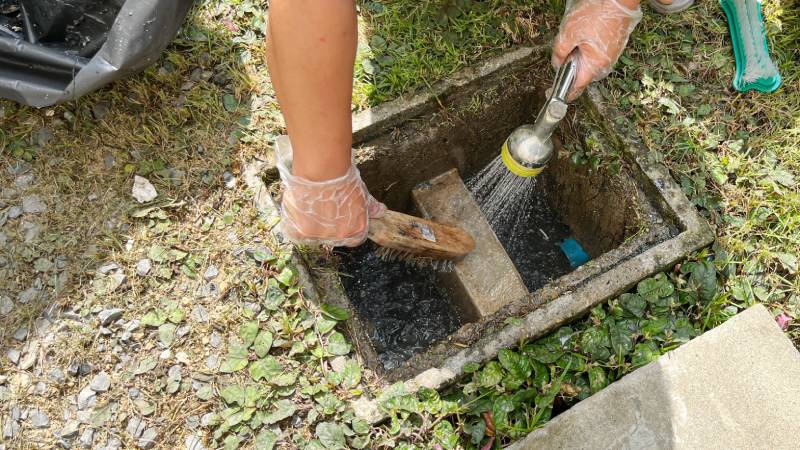
Depending on how much grease your household or business produces, you may need to clean your grease trap every one to three months. Commercial kitchens may need to clean theirs more frequently. - Use a Professional Service
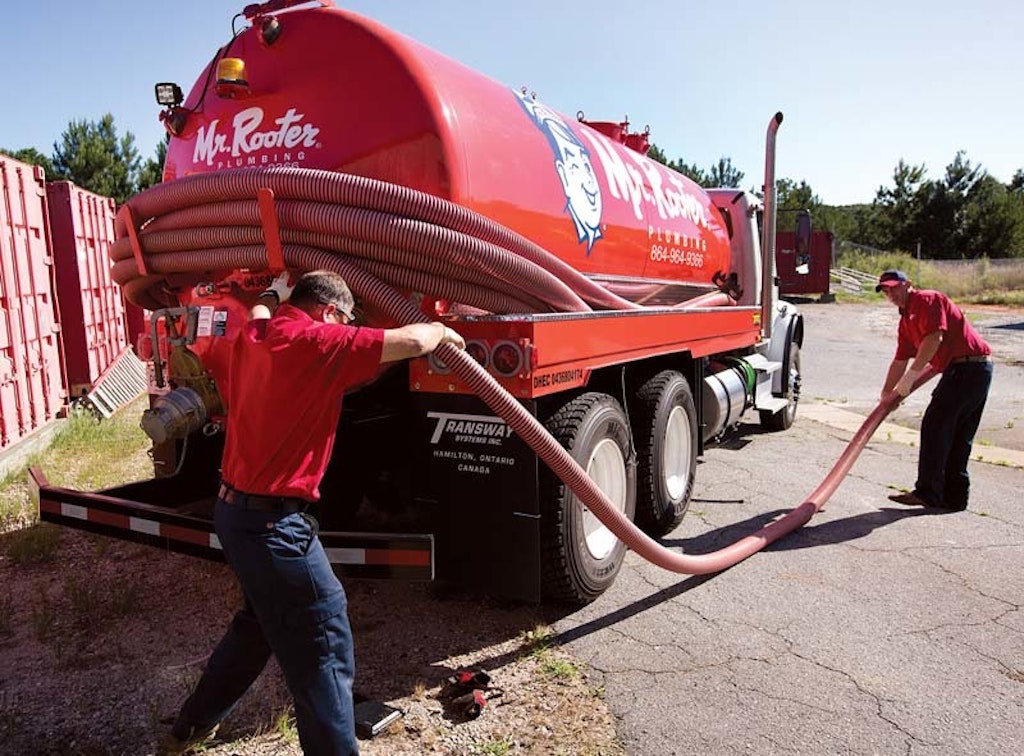
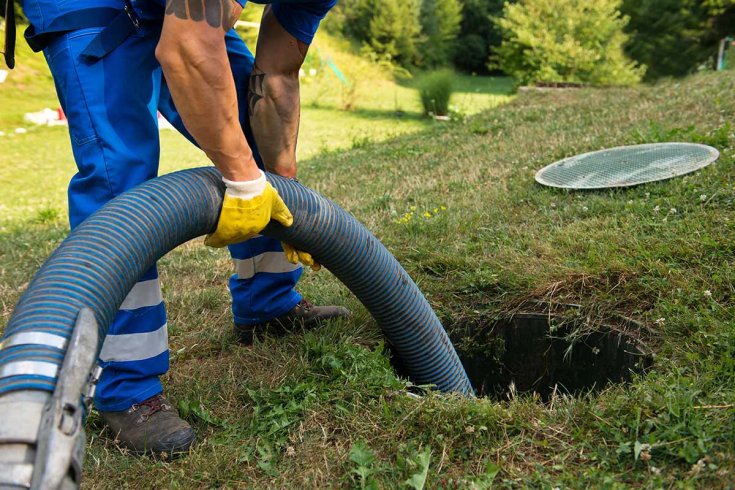
While cleaning a grease trap yourself is possible, leaving it to a professional plumber is often best. They’ll have the right tools and knowledge to do the job thoroughly. - Avoid Pouring Grease Down the Drain
Minimizing the grease and oil down the drain is a good idea, even with a grease trap. Wipe greasy pans and plates with a paper towel before washing them. - Schedule Regular Inspections
A plumbing service can inspect your grease trap and overall plumbing system to ensure everything works. Regular inspections can catch minor issues before they turn into emergencies.
When to Call a Professional
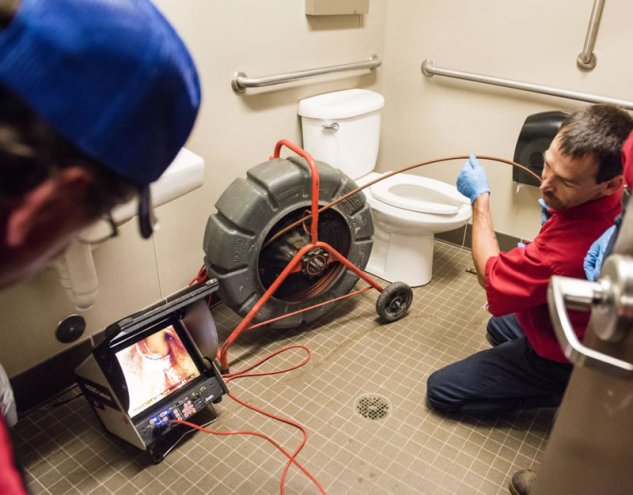
While there are steps you can take to maintain your grease trap on your own, some tasks are best left to a professional plumber. If you’re dealing with recurring clogs, strange smells, or other plumbing issues, it’s time to call in a plumbing service. They can diagnose the problem, clean or repair your grease trap, and ensure your plumbing system is back in top shape.
Don’t hesitate to call for emergency plumbing services in urgent situations like a complete drain backup or flooding. Quick action can prevent further damage and get things back to normal faster.
Have Your Grease Traps Serviced With Mr. Rooter Plumbing!
Grease traps may not be glamorous, but they’re vital to your plumbing system. Whether maintaining one in your home or managing a commercial kitchen, keeping your grease trap clean and functional can save you from costly repairs and emergency plumbing situations. By understanding how grease traps work and taking steps to care for them, you’ll keep your plumbing system running smoothly and avoid unnecessary headaches.