Call This Tuesday to Get $50 OFF

blogdetailimage

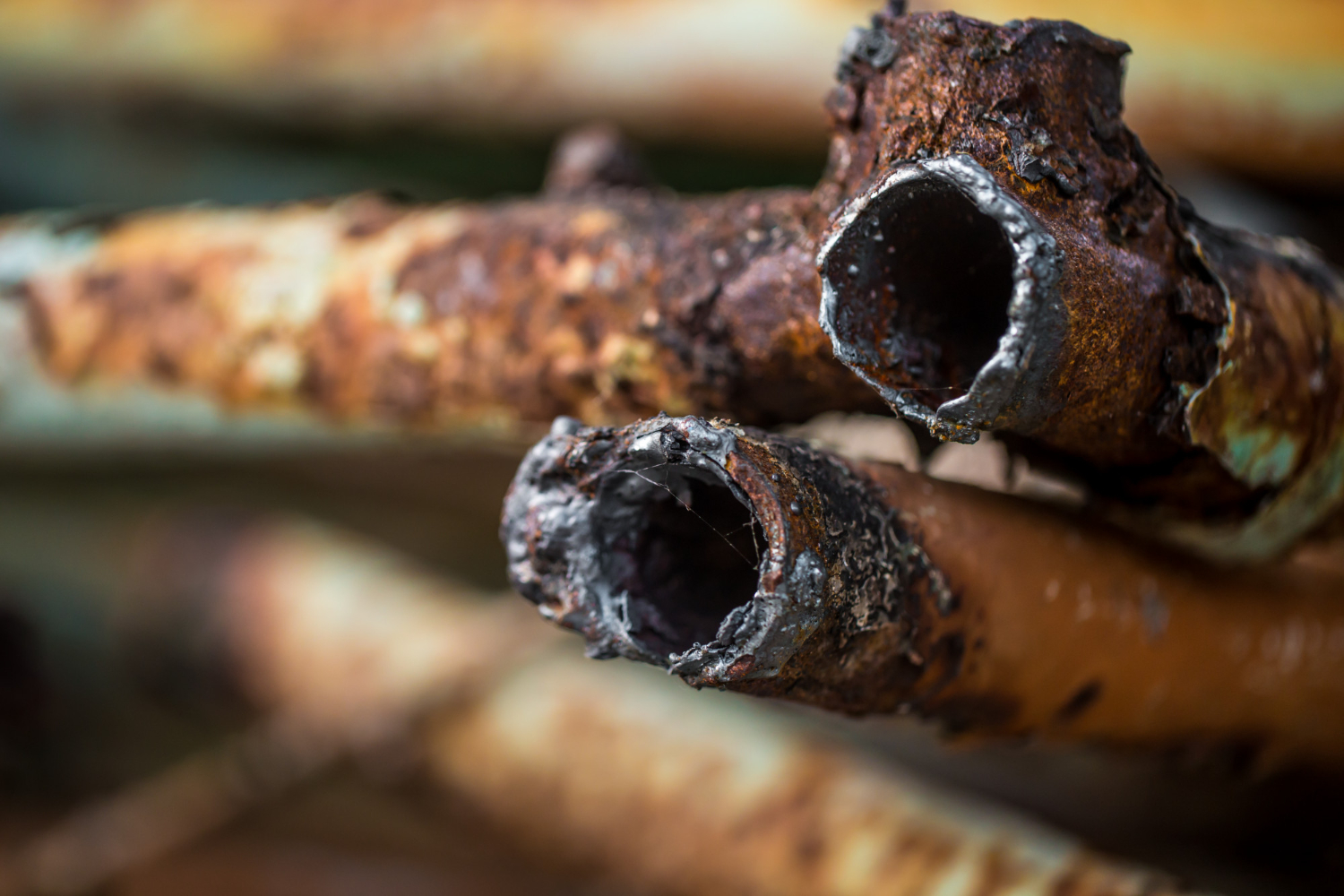
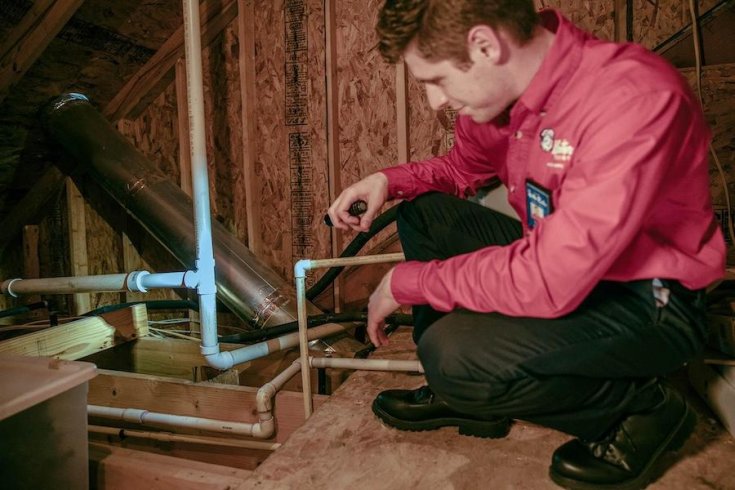
Most pipes in a house can last anywhere between twenty and seventy years. So, what happens at the end of a pipe’s lifespan, and what causes it to reduce? One of the primary reasons pipes fail to function properly is due to pipe corrosion. Unfortunately, most homeowners don’t know what causes pipe corrosion, how it can form leaks, or even the warning signs of a corrosion problem. This article will answer all of these questions and go over how pipe corrosion and leaks are connected. If you want to learn more, call Mr. Rooter Plumbing today.

What Causes Pipe Corrosion?

There are many factors that play a role in pipe corrosion. Not all of these factors can be easy to spot without experience, so working with an experienced plumber in Presidential Park, CA can be a good idea in these situations.

  • A pH Imbalance: A pH imbalance is one of the most important factors for corrosion, especially on copper pipes. When water is acidic, meaning the pH is lower than seven, it eats the inner protective copper oxide film, which is usually maintained when water is alkaline.
  • Oxidation: Although oxygen is essential and beneficial for all living things, this may not be the case for pipes. Oxygen can convert metal into oxide, also known as rust. This rust can create uneven surfaces, causing the impurities in the water to accumulate. This accumulation results in the thinning of the pipes which cause it to crack.
  • Chemical Drain Cleaners: Did you know that chemical drain cleaners are also a common reason for pipe corrosion in your home? The chemicals in drain cleaners are designed to break down harsh clogs, but they can also eat the interior surface of your pipes.

How Do Corrosions Cause Leaks?

The biggest problem with pipe corrosion is that it weakens a pipe from the inside. When certain minerals, oxygen, and chemicals react with the inner walls of the pipe, they start to thin and form small pits. These spots can turn into leaks, cracks, or even pipe failures over time.

Warning Signs of Corrosion Problems

It is hard to spot corroded pipes without professional help, but there are some easy signs that you can check to see whether your plumbing system is corroded.

  • Discolored Water: Rust or mineral buildup can cause normal water to turn a brown or yellowish color. This is often noticeable when you turn on the hot water.
  • Bad-Tasting/Smelling Water: With pipe corrosion, your water can be introduced to a metallic taste or smell. These changes in the taste or smell can be a sign that the pipes are deteriorating.
  • Worsening Water Pressure: When corrosion narrows the interior of pipes, the water doesn’t flow efficiently and can worsen the water pressure.
  • Leaking Pipes: Most small leaks begin as tiny holes in the corroded areas of the pipe. If these areas are left unchecked, the leaks can grow and cause water damage and mold growth. Detecting these leaks can be hard without the help of a professional. Call Mr. Rooter Plumbing to get your leak detection if you suspect this for your pipes.

Looking for Help With Your Pipe Corrosion? Call Mr. Rooter Plumbing Today

When it comes to pipe corrosion and leaks, acting promptly is essential. At Mr. Rooter Plumbing, we prioritize your convenience. With our experienced team, free estimates to clarify the costs, and experience in this industry, plumbing services are no longer worrisome. Call us today to learn more about us and our services.

Our Latest News & Blog

01/Dec/2025 blog1

The #1 Mistake Homeowners Make with Septic Maintenance

When it comes to septic health, you can be one of those homeowners that try to do everything…

Read More
01/Dec/2025 blog1

Pipe Corrosion and Leaks: How They’re Connected

Most pipes in a house can last anywhere between twenty and seventy years. So, what happens at the…

Read More
blog1
24
Nov

How Old Pipes Affect Your Kitchen Plumbing—and What to Do About It

Old houses have a charm that many new ones are never able to replicate. The entire atmosphere, the…

Read More
blog1
24
Nov

The Do’s and Don’ts of Septic Tank Maintenance

Maintaining a septic system isn’t about preventing future backups but rather the costly repairs and replacements in the…

Read More
blog1
17
Nov

That Faint Gas Smell in the Kitchen Might Mean More Than You Think

A gas smell in the kitchen can seem harmless at first, but it is an early warning sign…

Read More