Call This Thursday to Get $50 OFF

blogdetailimage

Most homeowners don’t think about their septic system until they smell something wrong. The septic system plays a crucial role in the filtration of wastewater and needs regular maintenance to keep it working properly. One of the most important aspects of this maintenance is regular pumping. So, how long can you go without pumping your septic tank? In this article, we are here to answer all those questions. If you want to learn more, call Mr. Rooter Plumbing today.

How Does a Septic System Work?

A typical septic system consists of two main components: a septic tank and a drainfield. The septic tank is the component responsible for digesting all organic matter and separating floatable matter. The drainfield is the component used to slowly release the wastewater into the soil for it to be processed. Here is how a typical system process works:

  1. All the water that drains from your house goes through one drainage pipe and then into your septic tank.
  2. The septic tank is buried underground and can hold wastewater long enough to allow solids to settle down while allowing oils and fats to float at the top. There are compartments and T-shaped outlets that prevent all sludge and scum from leaving the tank and entering the drainfield area.
  3. The floating wastewater and fats then exit the tank into the drainfield.
  4. The drainfield slowly releases the wastewater through the pipes that allow it to be filtered through the soil. The soil then filters this wastewater, ultimately discharging it as clean water to the groundwater.

How Often Should You Pump Your Septic Tank?

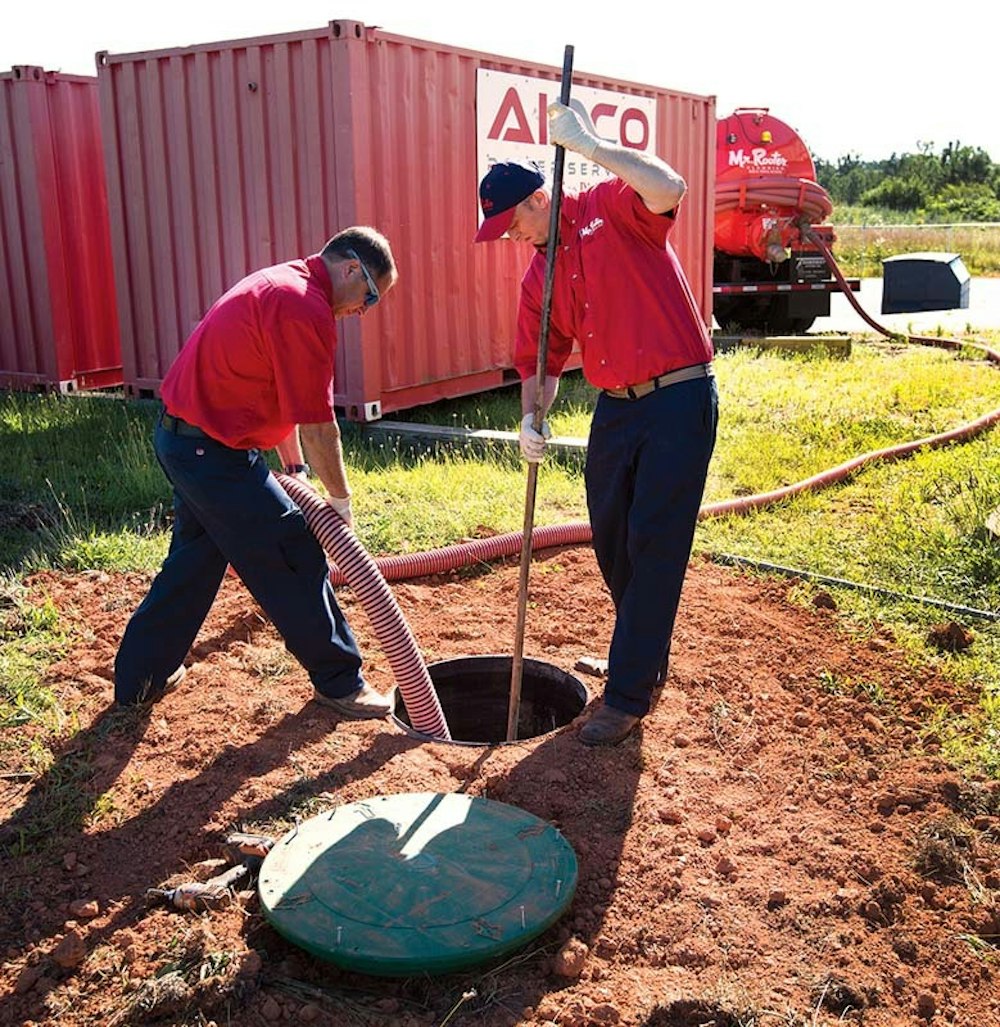
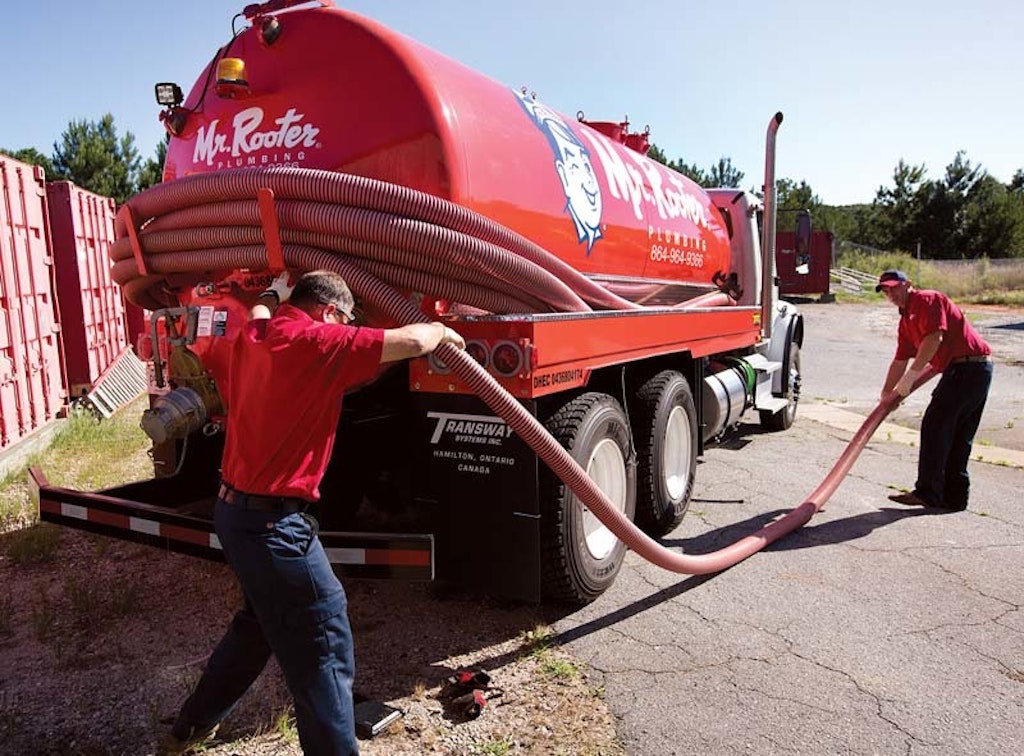
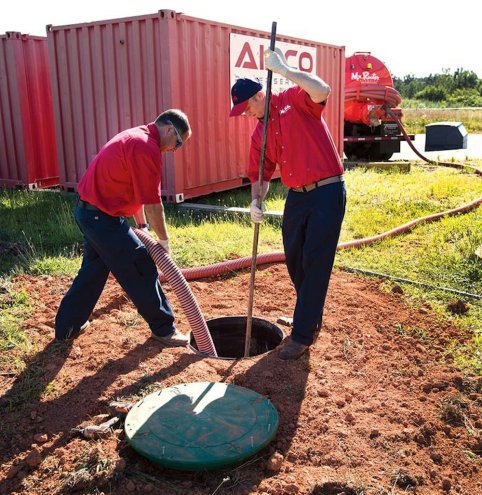
A common misconception most homeowners have is that they have to pump their septic tank every year. This isn’t necessary, nor would it be too healthy for the health of your septic system. Every homeowner should get septic pumping in Loma Linda, CA once every three to five years. This is the perfect time to prevent excess solids from accumulating inside the tank and letting them pass on to the drainfield. Septic cleaning is different from septic pumping, in that it removes all solids, liquids, and compacted sludge for thorough maintenance, compared to pumping, which only removes the liquids and floating sludge from the tank.


Signs Your Septic Tank Is Full

  1. Water Pooling Around the Drain Field: Walk around your drain field. If you notice soggy and smelly puddles near where your drain field is, this is a sign that the system is overloaded and the liquids are being pushed to the surface.
  2. Slow Drains: Does your toilet, sink, or shower take ages to drain? Slow drains are a common sign that your septic system isn’t working as well. The problem can also be with a blocked drain, but you should never leave the septic system out of the options.
  3. Foul Odors: Do you smell an unpleasant, strong smell in your septic tank? If so, this is a sign that something isn’t the way it should be. If the smell reaches indoors, this is a sign of trouble. Call a septic company to learn how you can fix it.
  4. Sewage Backups: If sewage backs up into your toilets or showers, it is a sign of septic system failure. This is an urgent condition that requires the help of professionals.

Mr. Rooter Plumbing

Are you looking for professionals to help with septic services? At Mr. Rooter Plumbing, we offer extensive plumbing services throughout the nation and are ready to take your call anytime and anywhere. Whether you need help with your septic maintenance or repair services, we are here for you. Call us today to learn more about us and our services.

Our Latest News & Blog

15/Dec/2025 blog1

Sewer Line vs. Water Line: What’s Underground on Your Property and Who Fixes What?

Did you know that multiple pipes run underground in your property, and damage to these pipes is mostly…

Read More
15/Dec/2025 blog1

Septic Maintenance Made Simple: A Beginner’s Guide to a Healthy Tank

For many homeowners, septic maintenance seems confusing and overwhelming. Compared to city sewer systems, how well you maintain…

Read More
blog1
08
Dec

What Not to Flush: Protecting Your Septic System from Damage

We all know that septic tanks are meant to handle waste to a certain degree. However, do we…

Read More
blog1
08
Dec

Sump Pump Installation for Storm-Prone Areas: What You Need to Know

For homeowners who live in areas that receive heavy rainfall throughout the year, sump pumps aren’t just a…

Read More
blog1
01
Dec

The #1 Mistake Homeowners Make with Septic Maintenance

When it comes to septic health, you can be one of those homeowners that try to do everything…

Read More