Reduce Corrosion with Water Treatment
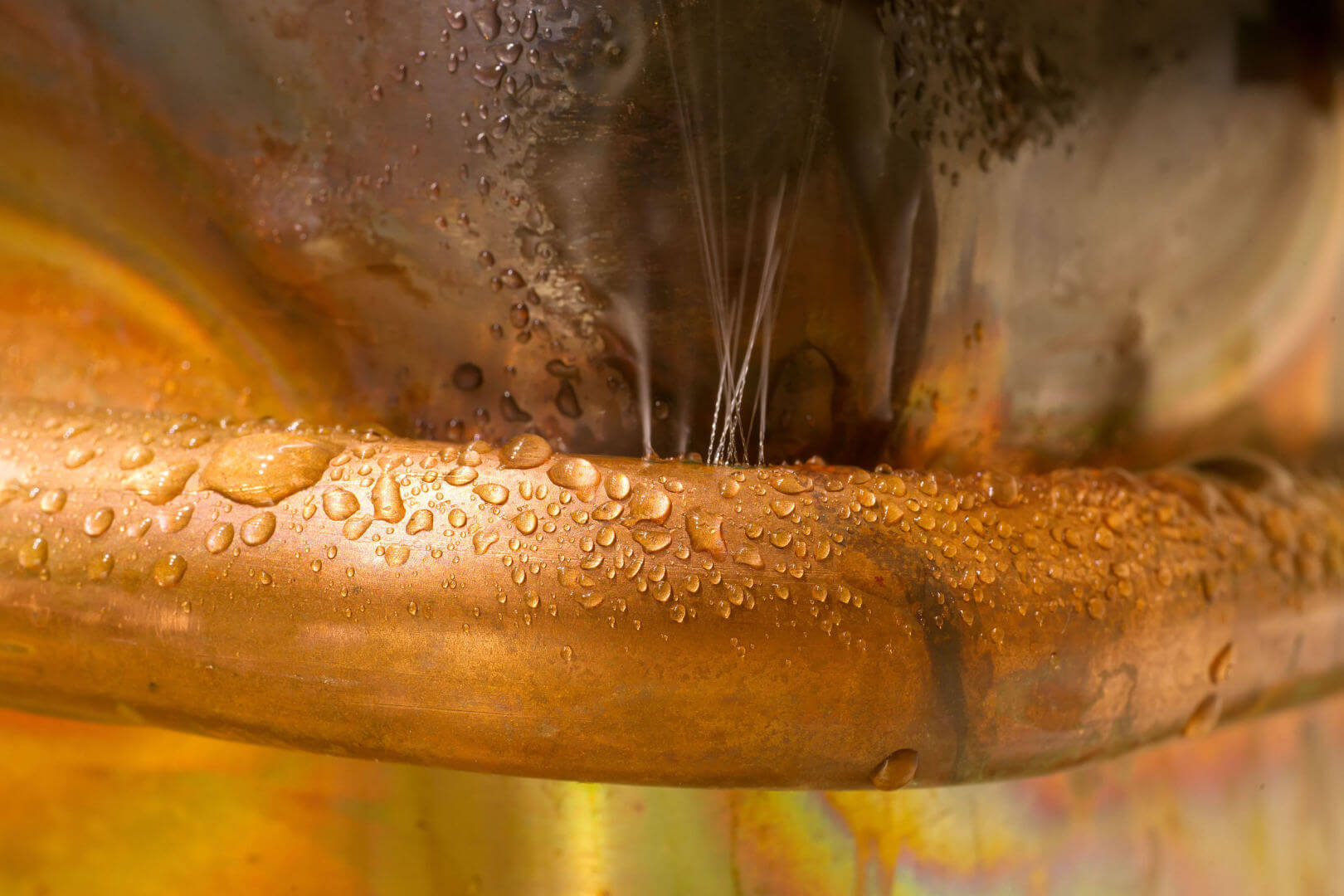
Corrosion is one of the leading causes of pinhole leaks in copper pipes. It occurs when water with high acidity (low pH) reacts with the copper, causing it to erode. This is especially common in areas with “hard water,” which contains many minerals like calcium and magnesium.
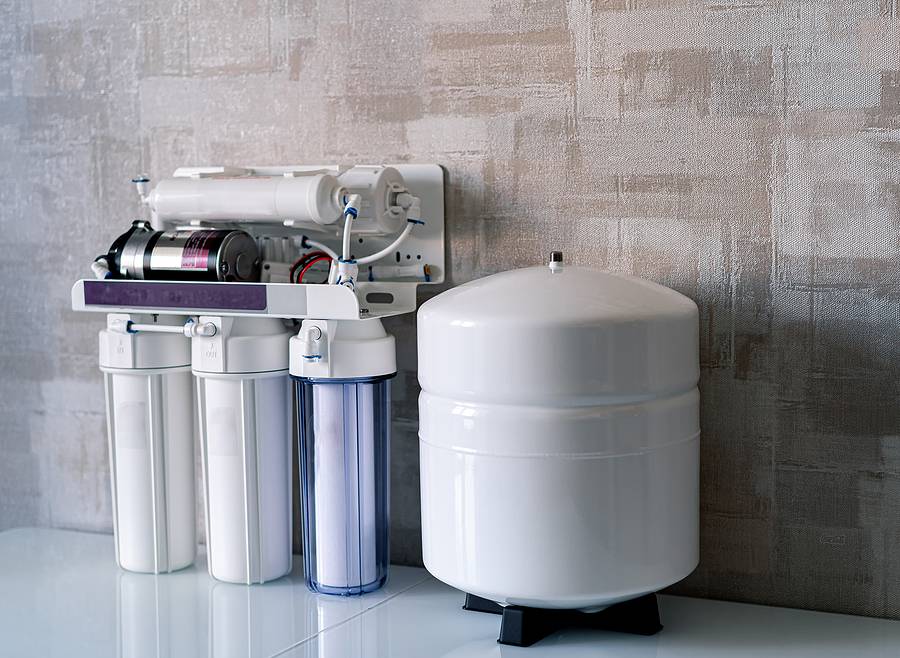
To combat this, consider installing a water softener or pH neutralizer. These devices balance the minerals and acidity in your water, reducing the chances of corrosion. Regular water testing can also help identify issues early. Consulting a plumber about the best water treatment option for your home is a smart move to protect your plumbing.
Inspect Pipes Regularly
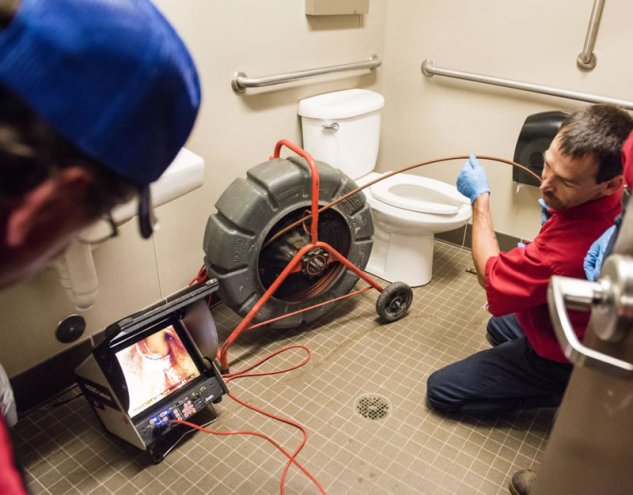
Routine inspections are key to catching potential problems before they become significant issues. Look for any signs of discoloration, damp spots, or minor leaks around your copper pipes. These could be early warning signs of corrosion or damage.
If you’re unsure what to look for, hiring a professional plumbing service for a thorough inspection can save you time and trouble. Leak detection technology can also identify hidden problems without tearing into walls or floors. Catching a minor issue early can prevent the stress and expense of a significant plumbing repair later.
Install Protective Coatings or Linings
Another effective way to prevent pinhole leaks is to apply protective coatings or linings to the inside of your copper pipes. These coatings are a barrier, preventing water and other materials from directly contacting the copper.
Several types of coatings are available, and a plumber can recommend the best option for your home’s specific needs. Having this done by a professional plumbing service ensures the job is handled correctly and provides peace of mind.
Why Prevention Matters
Taking steps to prevent pinhole leaks in your copper pipes can save you time and money in the long run. Left unchecked, even a tiny leak can cause water damage, mold growth, and higher water bills. Regular maintenance, inspections, and proper water treatment are investments in the health of your home’s plumbing system.
Don't hesitate to contact a plumbing service if you have any doubts about your pipes or suspect a problem. Professional leak detection tools and expert advice can help keep your pipes in excellent condition.
Protect Your Home with Expert Plumbing Care Today!
Pinhole leaks in copper pipes may seem minor, but they can quickly become a big headache if not addressed. You can keep your plumbing system running smoothly by maintaining proper water pressure, reducing corrosion with water treatment, inspecting your pipes regularly, and considering protective coatings. Don’t wait for a problem to arise—proactive care is the best way to ensure your pipes stay leak-free for years. And remember, a trusted plumber in Helendale, CA is always a valuable partner in maintaining your home’s plumbing health.


.webp)