Excessively wet conditions can contribute to slow drainage, standing water, unpleasant odors, or wastewater surfacing around the drain field. Driving heavy vehicles or parking equipment over the drain field can make matters worse by compacting already saturated soil. During rainy periods, keep unnecessary traffic away from the drain field and watch for changes in the area around your septic system. It’s also advisable to know if septic cleaning in Highgrove, CA is needed before the rainy season arrives.
Warning Signs of a Weather-Stressed Septic System
Weather-related stress can reveal problems that may not have been noticeable during normal conditions. If your septic system is struggling after heavy rain, you may notice several warning signs inside or outside your home.
Slow drains throughout the house can indicate that wastewater is not moving through the septic system properly. Gurgling sounds from toilets or drains, sewage odors, unusually wet areas near the drain field, or wastewater backing up into sinks, showers, or toilets also deserve attention.
Do not assume these problems will disappear once the rain stops. Continued symptoms can point to a full tank, drainage problem, damaged component, or another septic issue that requires inspection. It’s a good idea to call a professional septic service provider when you notice signs of septic problems.
Post-Flood Septic System Care
If flooding occurs around your septic system, avoid using the system more than necessary until conditions improve and the property can be assessed. Floodwater can affect the tank, drain field, distribution components, and surrounding soil. Do not attempt to open or inspect the septic tank yourself, particularly if floodwater has entered the area.
Once the water has receded, look for standing wastewater, unusually wet ground, damaged covers, erosion, or other visible changes around the septic system. If sewage has backed up into your home, keep people and pets away from contaminated areas and arrange for professional cleanup and septic service. A professional inspection can determine whether the system sustained damage and whether pumping or repairs are needed.
Steps to Protect Your Septic System During Heavy Rains
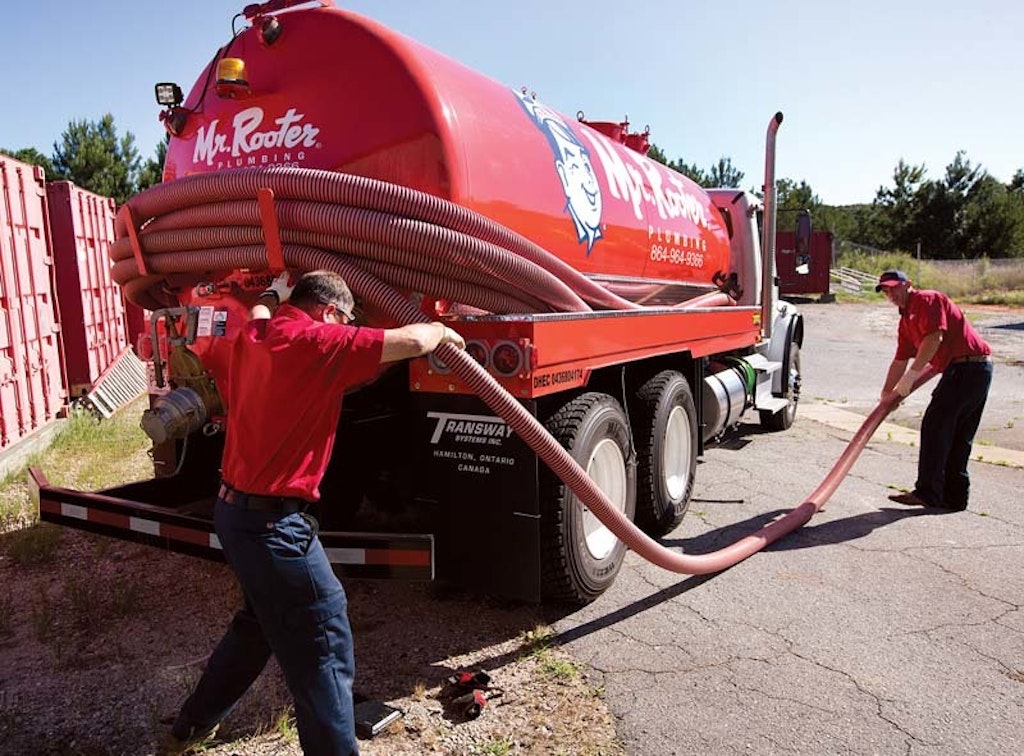
Preparing before a major storm can reduce unnecessary stress on your septic system. Start by scheduling septic pumping service rather than waiting until it is completely full. Avoid using excessive amounts of water during periods of heavy rainfall, especially if the drain field is already saturated.
Keep roof drains, downspouts, sump pump discharge, and surface runoff directed away from the drain field. This helps prevent additional water from entering an area that is already working to absorb wastewater. You should also avoid driving or parking vehicles over the drain field and address slow drains or sewage odors before a major storm arrives.
Regular inspections can also identify developing problems before severe weather puts additional pressure on the system. If your septic system has experienced recurring backups or drainage issues, have it evaluated by a local septic service provider before the next period of heavy rain.
Schedule Septic Service with the Team at Mr. Rooter Plumbing
If you’re experiencing septic tank backups after rain or need a professional septic company to inspect your system, Mr. Rooter Plumbing is ready to help. Our septic pros are highly trained, experienced, and equipped with state-of-the-art tools to diagnose and address all of your septic problems. Contact us today to schedule an inspection and ensure your septic system is prepared for whatever the weather brings.