When used according to the product instructions, these cleaners may help break down fats, oils, grease, and other biodegradable waste. This can support the normal digestion process and reduce the amount of organic material that settles in the tank.
How Natural Enzymes Support Waste Breakdown
Enzymes help break large organic materials into smaller substances that bacteria can process more easily. Different enzymes work on different types of waste. For example, some target fats and grease, while others help break down proteins or carbohydrates.
This process can support the microorganisms responsible for treating wastewater. However, enzymes do not remove sludge or scum from a septic tank. They also cannot repair damaged pipes, correct a failing drain field, or eliminate a serious blockage.
Can Bio-Cleaners Prevent Septic Problems?
Bio-cleaners may help maintain normal biological activity, but they are not a guaranteed solution for septic problems. A properly functioning septic system already contains many of the bacteria needed to break down waste. In some cases, adding a treatment may provide little noticeable benefit.
The most important steps are still regular pumping, responsible water use, and avoiding materials that can damage the system. Bio-cleaners should be viewed as a possible supplement to good maintenance rather than a way to avoid it.
Choose Septic-Safe Products Carefully
Not every cleaning product is suitable for a septic system. Some chemical treatments can harm beneficial bacteria or create additional problems in the tank and drain field. Before using a bio-cleaner, read the label carefully and confirm that it is intended for septic systems.
Avoid products that promise to dissolve all sludge, eliminate the need for pumping, or repair major septic damage. These claims are often unrealistic. If you are unsure whether a product is appropriate, ask a professional septic service provider before adding it to your system.
Why Regular Septic Pumping Still Matters
Even with natural enzymes and septic-safe cleaners, solid waste continues to accumulate inside the tank. Sludge and scum must be removed through professional septic cleaning. If they are allowed to build up, they may enter the drain field and cause serious damage.
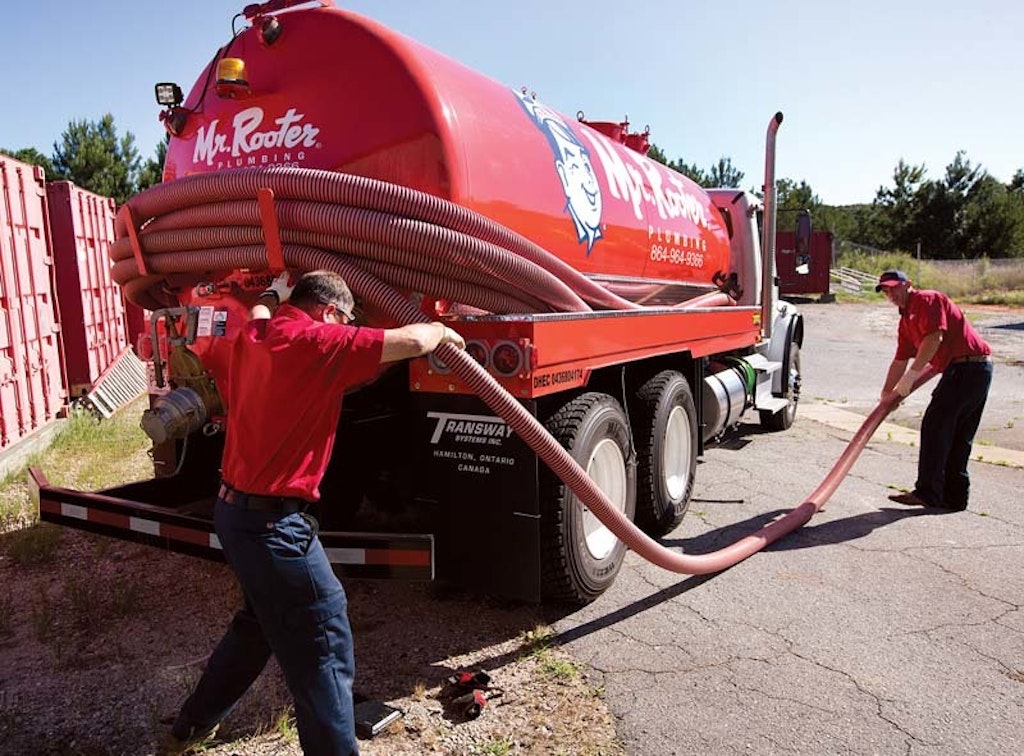
A septic service provider can inspect the tank, assess its condition, and recommend a pumping schedule based on household size, tank capacity, and water usage. This service helps maintain proper tank capacity and protects the drain field. You should have a septic expert pump your septic tank every 3 to 5 years, based on the size of your tank and household size.
Looking For a Professional Septic Company? Contact Mr. Rooter Plumbing
Is it time to pump out your septic tank? Have you noticed signs of septic failure? When it comes to septic system care, experience matters. You want to work with a septic company that has been in business for years and built a solid reputation for getting the job done right. Mr. Rooter Plumbing is a locally owned and operated company that has been providing dependable services to residential and commercial customers. Whether you need septic cleaning, emergency repairs, routine maintenance, or guidance on enzyme treatments, we are the septic pros to call. Contact us now to learn more about our services.